Sensory integration.
Paediatric Occupational Therapists do additional training to understand sensory processing and integration and the significance of this critical function for child development and participation.
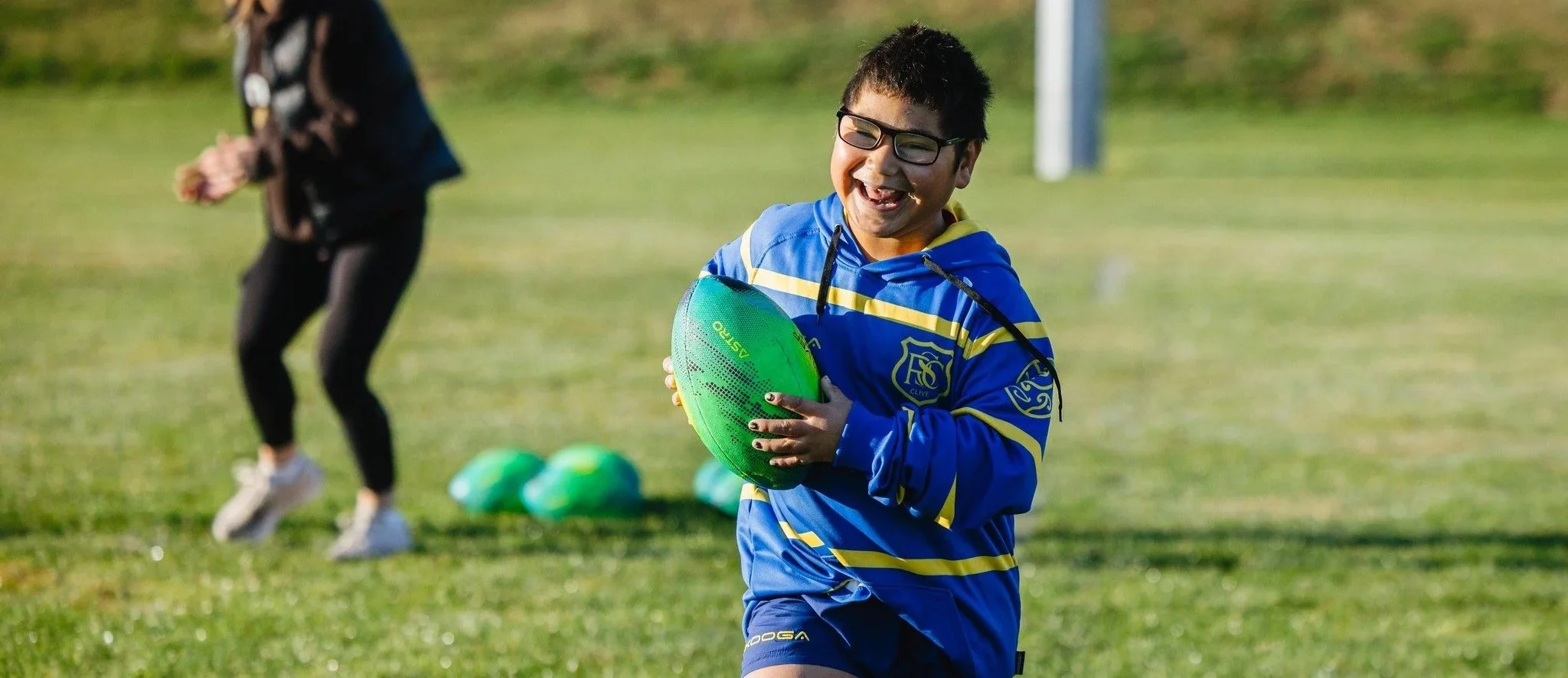
At Sense Rugby NZ, we believe every child deserves to feel understood, included, and supported. By recognising and responding to sensory needs, we can help tamariki and rangatahi build confidence, connection, emotional regulation, and a lifelong sense of belonging.
What is sensory integration and why is it important?
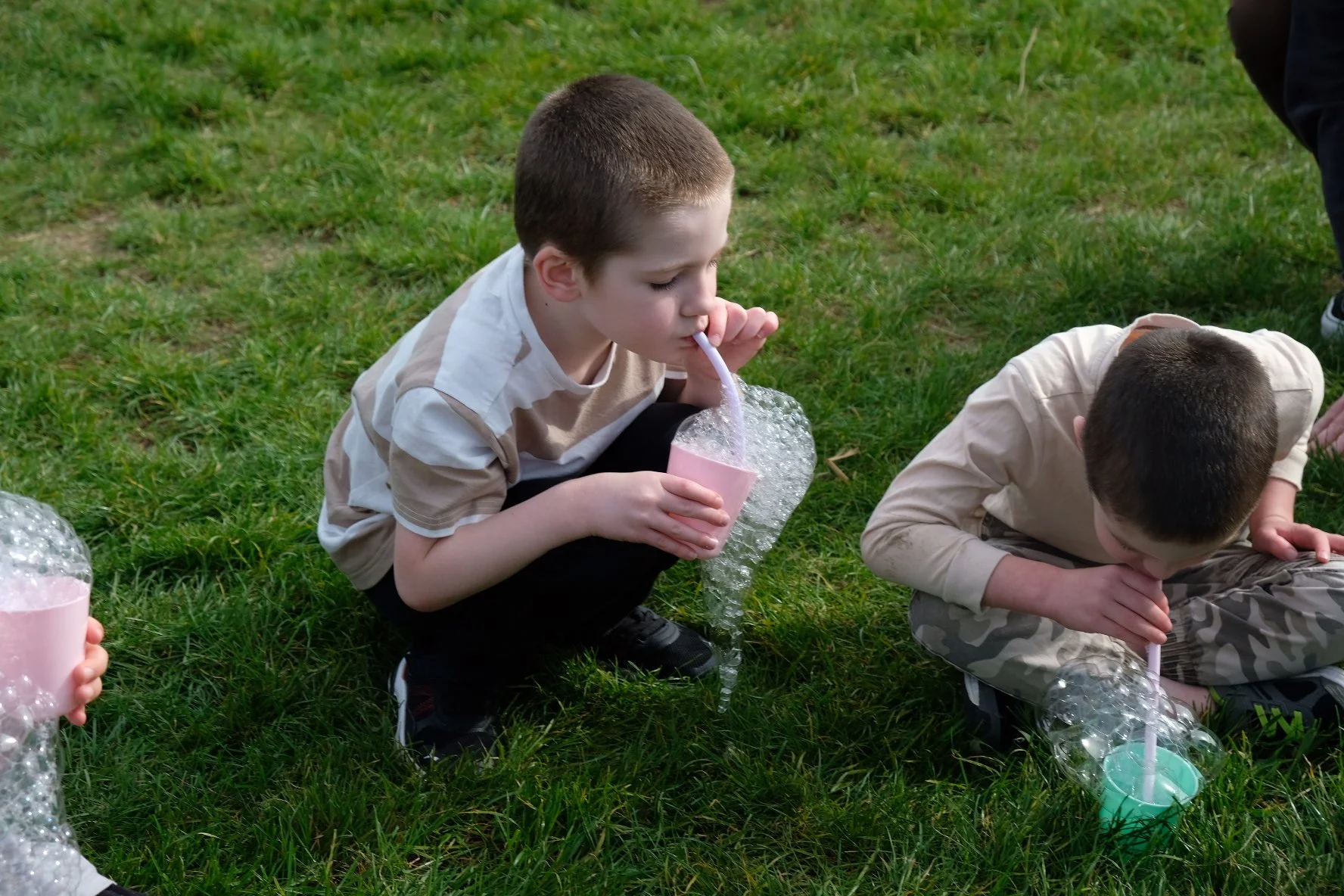
At Sense Rugby NZ, we understand that every child experiences the world differently. Some tamariki and rangatahi may find busy environments, loud sounds, touch, movement, or everyday activities overwhelming or difficult to manage. Others may seek out movement, pressure, or sensory input to help them feel calm and focused.
Sensory integration is important because it supports how we function in everyday life. It helps children manage their emotions, build relationships, develop physical skills, and participate in learning and play.
Sensory integration is the brain’s ability to take in information from the senses, organise it, and respond in an effective, regulated way. This includes the five main senses, sight, sound, touch, taste, and smell, but there are three other lesser known but very powerful sensory systems that are really important when understanding emotional regulation, activity levels, attention, concentration and physiological arousal.
These sensory systems are:
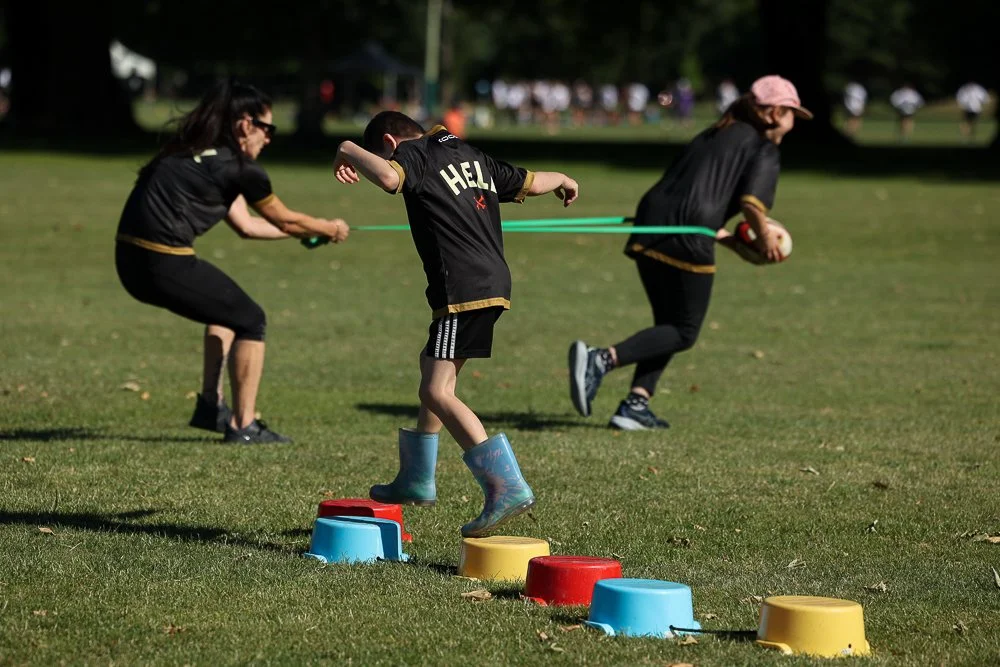
● Vestibular – is the sense that helps us understand balance, movement, and where our head position is in relation to gravity. This system plays an essential role in the relationship between our body, gravity and the physical world. It is responsible for informing us whether our body is stationary or moving, how fast it is moving and in what direction. It is crucial for the development of balance, coordination, eye control, auditory processing, posture, feeling secure in movement and self-regulation. It is also the chief organiser of all other sensations in our body!
● Proprioception – is the sense for movement and body position. It’s the messages we get from our muscles and joints about where we are in space and how our body parts relate to one another without needing our eyes to tell us. It informs us how much force to apply and how to grade our body to meet the demands of certain tasks
● Interoception – is the sense in which the internal physical and emotional states of the body are noticed, recognised and responded to such as hunger, thirst, tiredness, emotions, breathing, or needing the toilet.
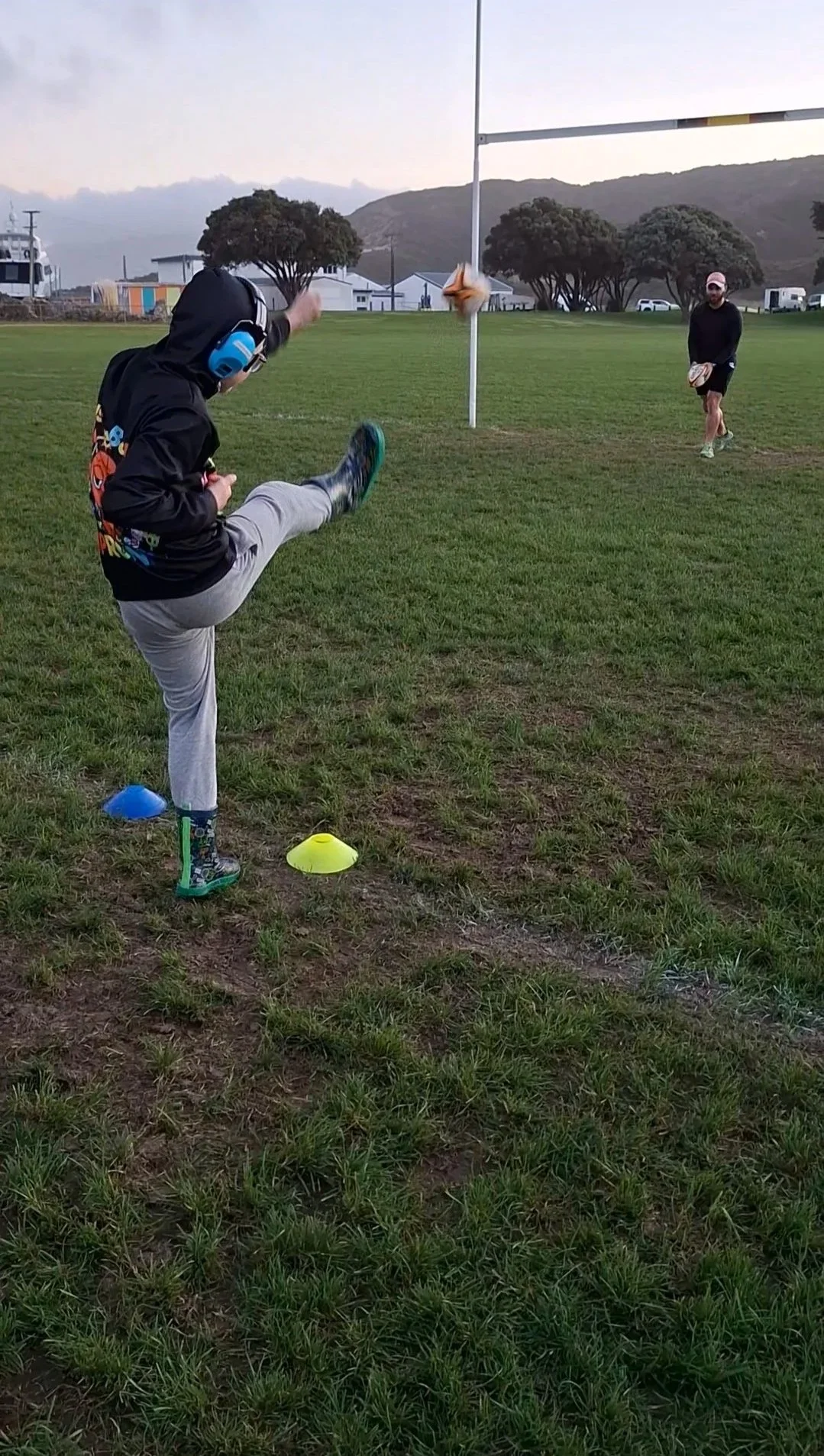
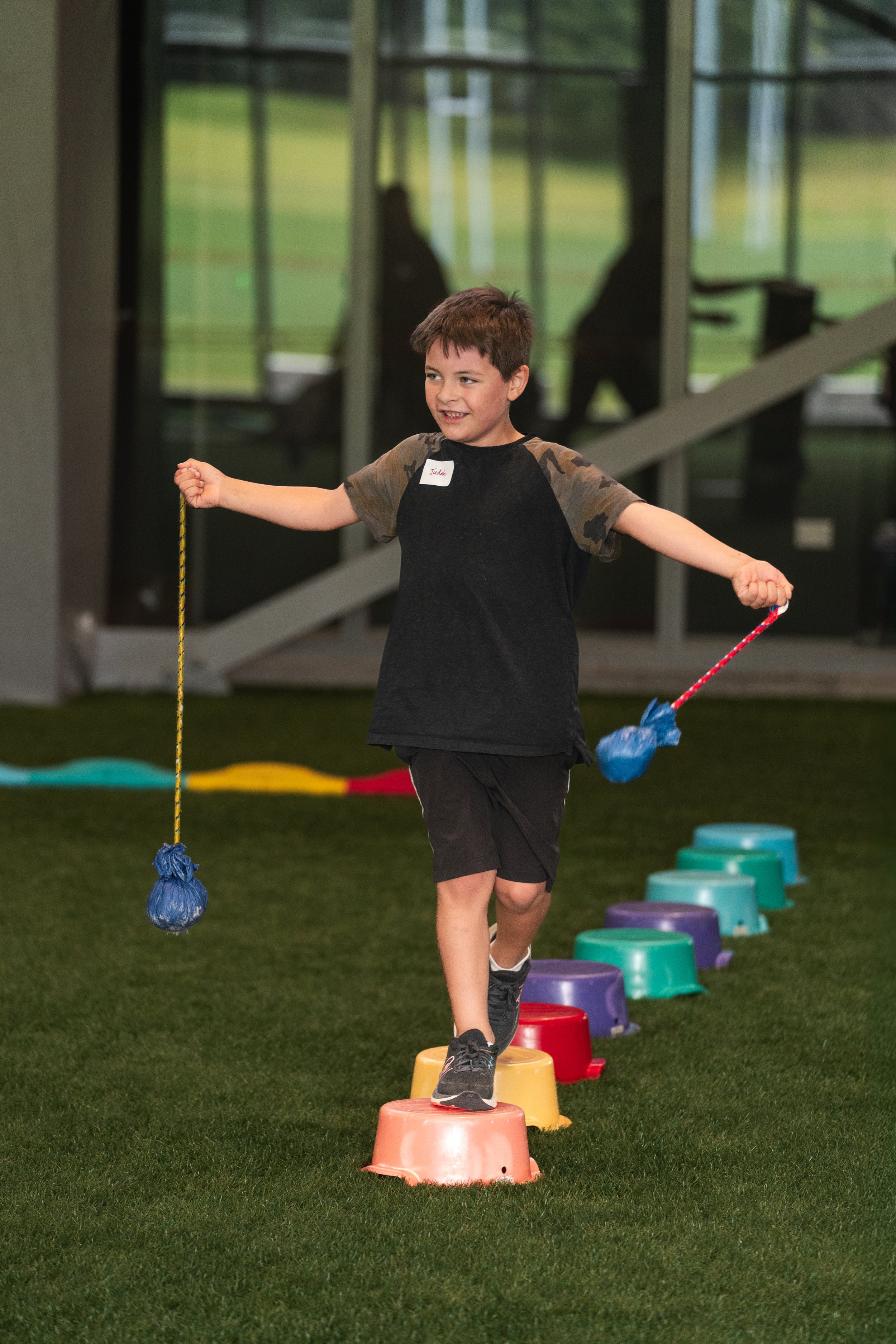
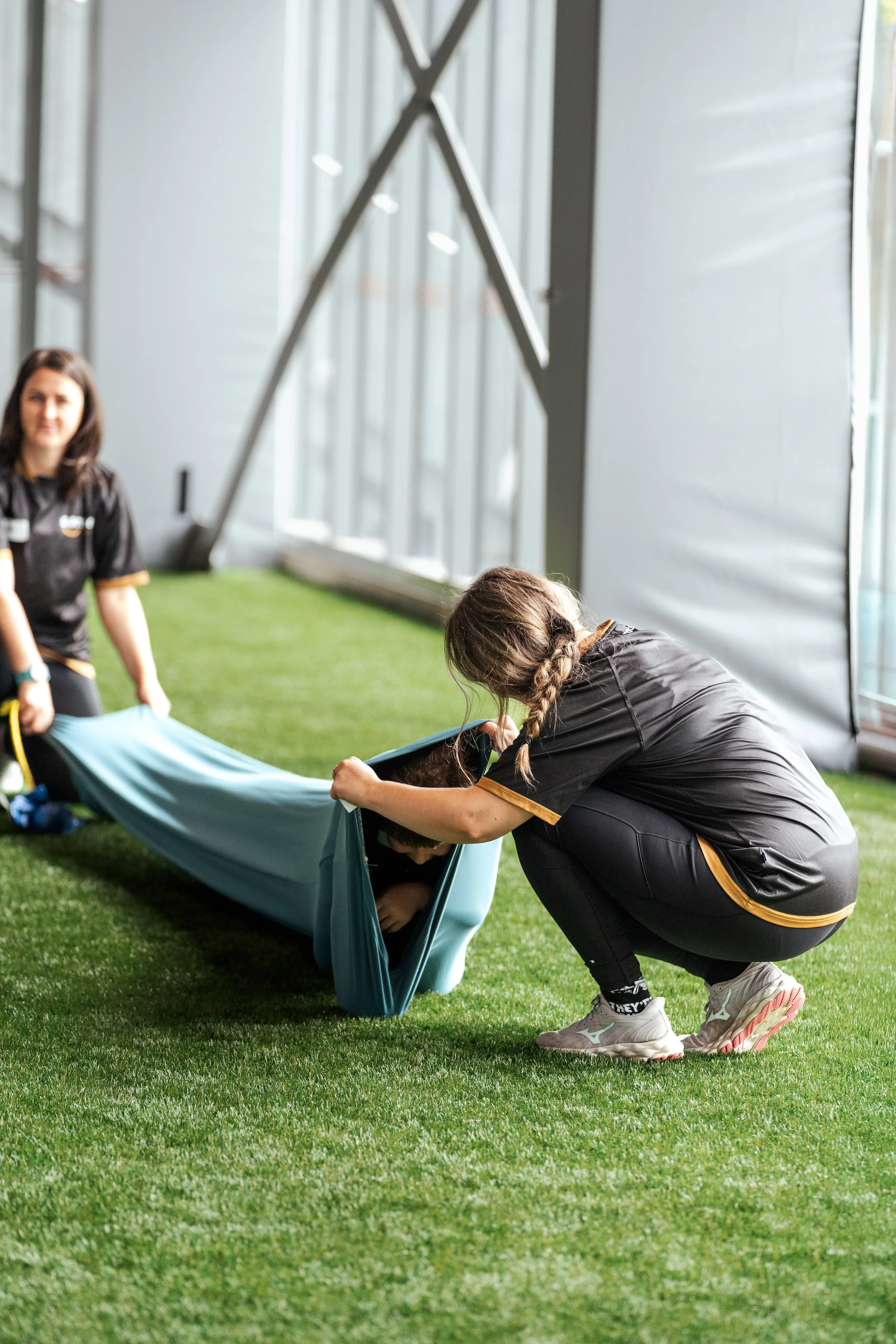
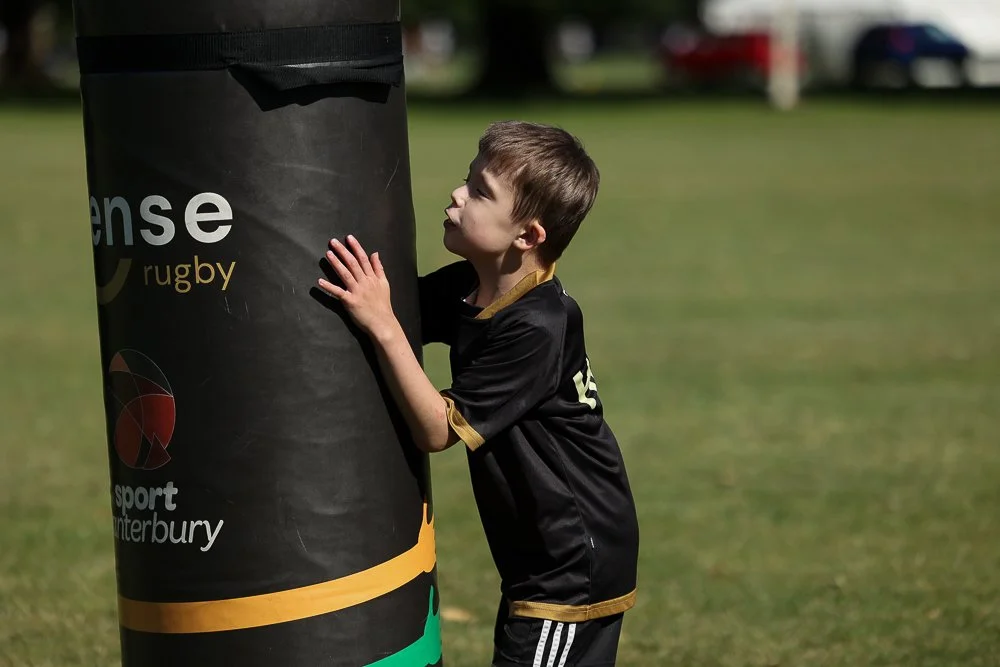
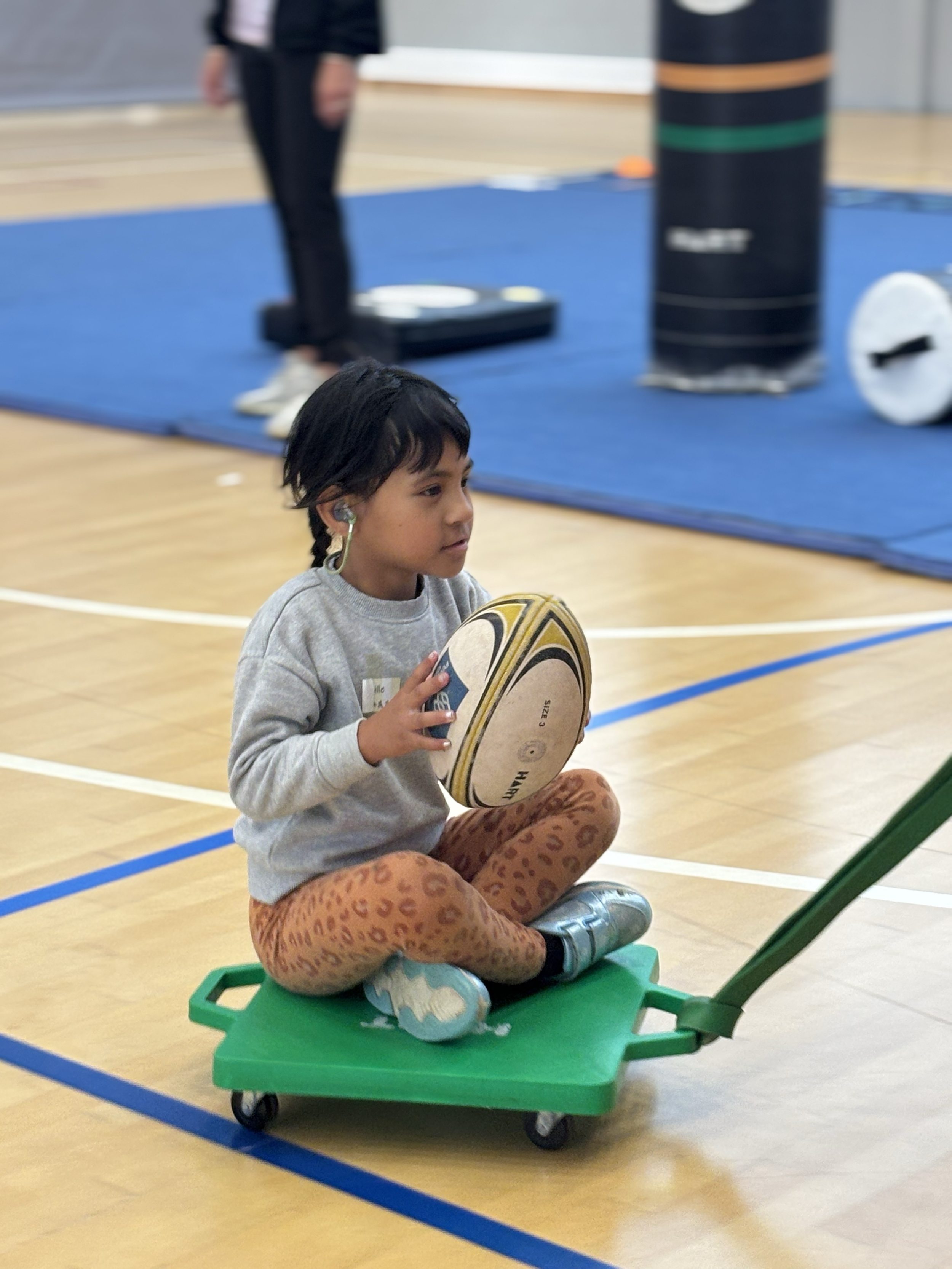
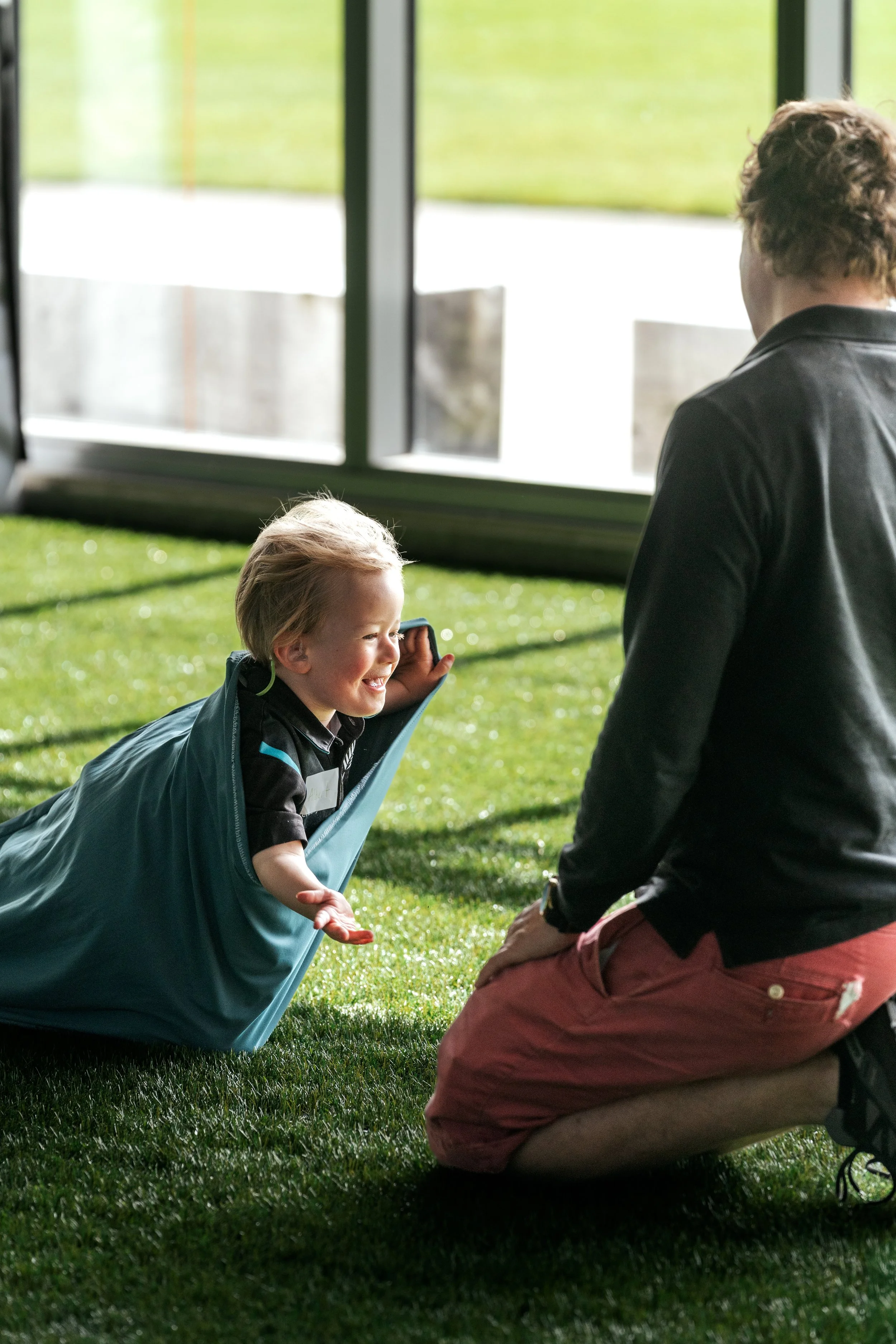
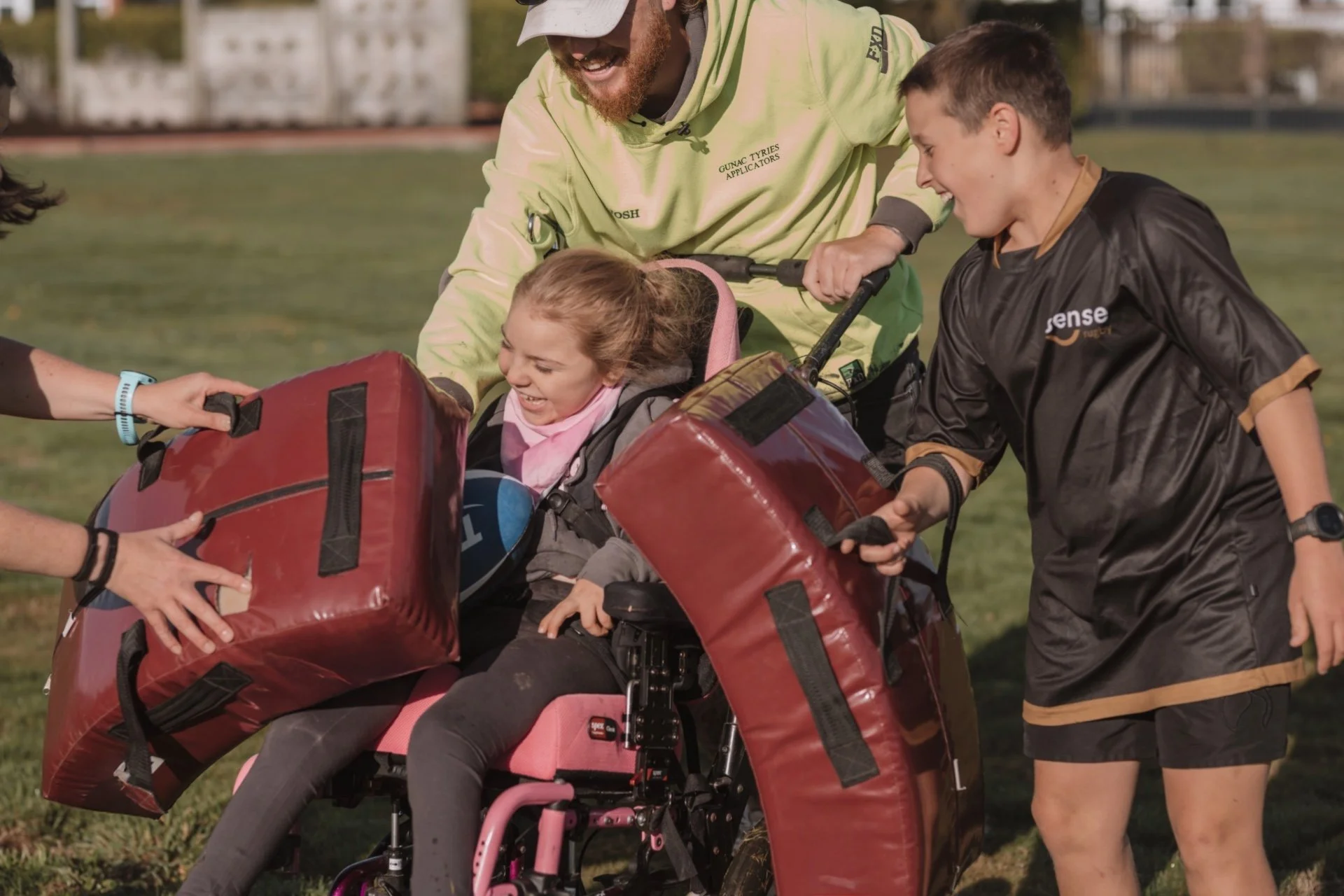
We often describe the brain and body like an internal engine. Sometimes a child’s engine may be running too fast, making them feel restless or overwhelmed. Other times, it may be running slowly, making it hard to focus or engage. The right sensory input can help children reach a “just right” state where they feel calm, alert, and ready to participate.
When sensory processing is supported, children are better able to regulate their emotions, focus, learn new skills, move their bodies confidently, and connect with others. When sensory needs are misunderstood or not supported, children may feel anxious, overwhelmed, dysregulated, or disconnected.
When a child’s sensory needs are understood and supported, they are more likely to feel safe, confident, and included. This creates a strong foundation for wellbeing, development, and a sense of belonging. Sense Rugby is built on the foundation of whole-body sensory input that can help children regulate their nervous systems, build confidence, and develop social connections in a meaningful and fun environment.
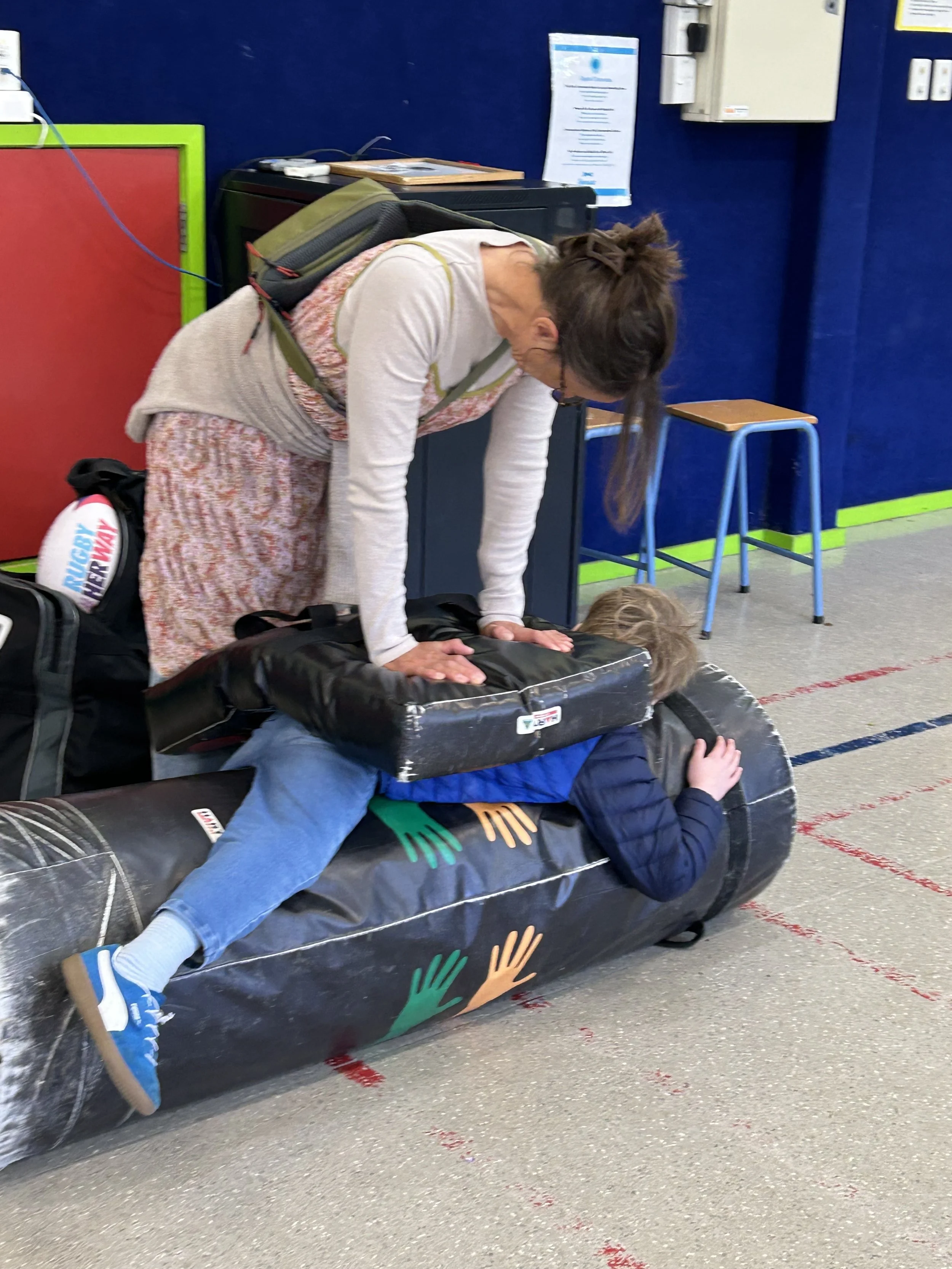
Every child has unique sensory needs, and different strategies can help children feel more regulated, support their nervous systems, and feel comfortable throughout the day, so they can feel safe, calm, and ready to learn and connect.